Loading customer reviews and top experiences...
The Beauty of a Vintage Tiger Moth Flight
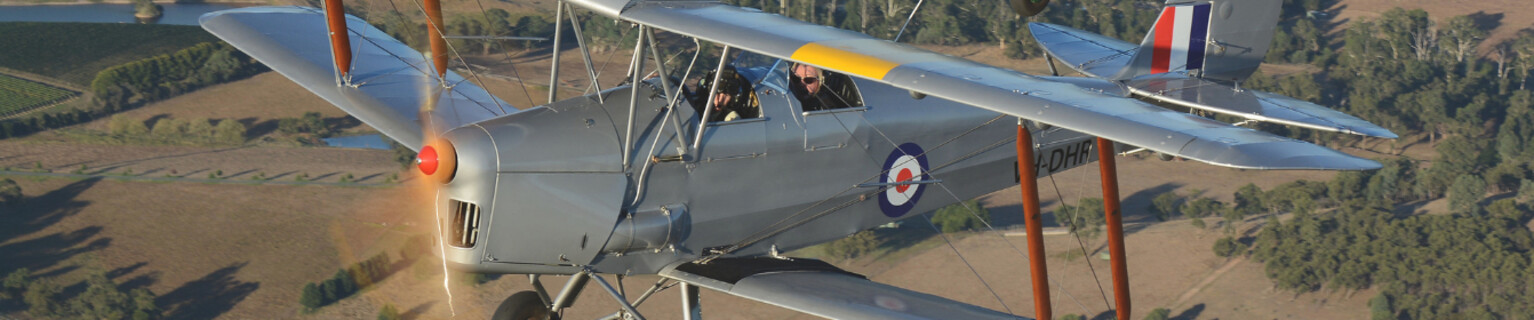
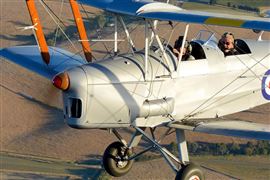
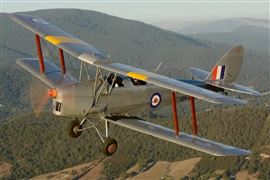
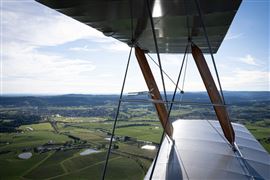
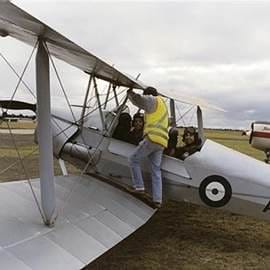
The Tiger Moth. A gracious lady from a forgotten time. Direct from the golden age of flight comes a true relic with all the air and grace of a true icon. A vintage Tiger Moth flight is something to behold as you enter another era. Whether flying over the gorgeous Hunter Valley or cruising high above the world-renowned Yarra Valley, the world does look very different from the cockpit of a Tiger Moth. An open cockpit, the wind in your hair and the sound of the timeless propeller all come together for an experience like no other.
What To Expect on a Vintage Tiger Moth Flight
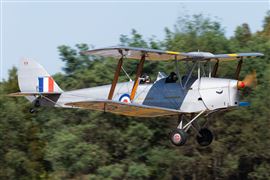
A vintage Tiger Moth flight typically lasts between 20 and 45 minutes, during which you can expect to experience the thrill of flying in an open-cockpit biplane. The Tiger Moth is a classic 1930s design, and flying in one offers a unique opportunity to experience what it was like to fly during that era. You will have an unparalleled view of the surrounding scenery in an open cockpit aircraft.
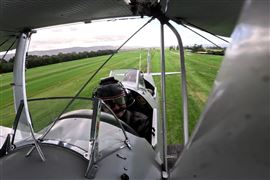
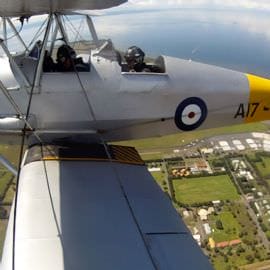
The flight will likely take place in the daytime, and you will likely see the countryside and local landmarks from a bird' s-eye view. The pilot is in the rear, and you are in the front seat. Before takeoff, you'll receive a brief on safety and flight details. Often, you'll wear old regalia, such as a flight jacket and leather cap.
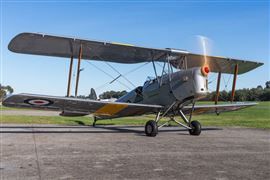
The Tiger Moth has a maximum speed of around 160 km/h and a range of about 500 km. It is powered by a single de Havilland Gipsy II inline engine, which produces around 130 horsepower. The aircraft has a wingspan of 8.8 meters and is just under 7.3 meters long.
The Tiger Moth is a very stable aircraft with responsive controls, perfect for recreational flights.
What to Consider when taking a Flight in a Tiger Moth
When considering a Tiger Moth flight in Australia, safety is paramount. It's essential to be aware of the aircraft's vintage nature and understand that while they are maintained to high standards, the experience inherently differs from modern aircraft. Pilots are well-trained and experienced, particularly in handling the unique characteristics of these historical planes.
Before the flight, you will be briefed on safety procedures, including communication with the pilot and using safety equipment. It's also important to dress appropriately for an open cockpit experience with secure footwear and to avoid loose items that could be affected by the wind.
The Civil Aviation Safety Authority (CASA) has issued directives to ensure the structural integrity of these aircraft, so rest assured that safety checks and maintenance are rigorous. Always communicate concerns with your pilot and ensure you understand the safety protocols before taking to the skies.